
How to Visit and Pray at a Buddhist Temple
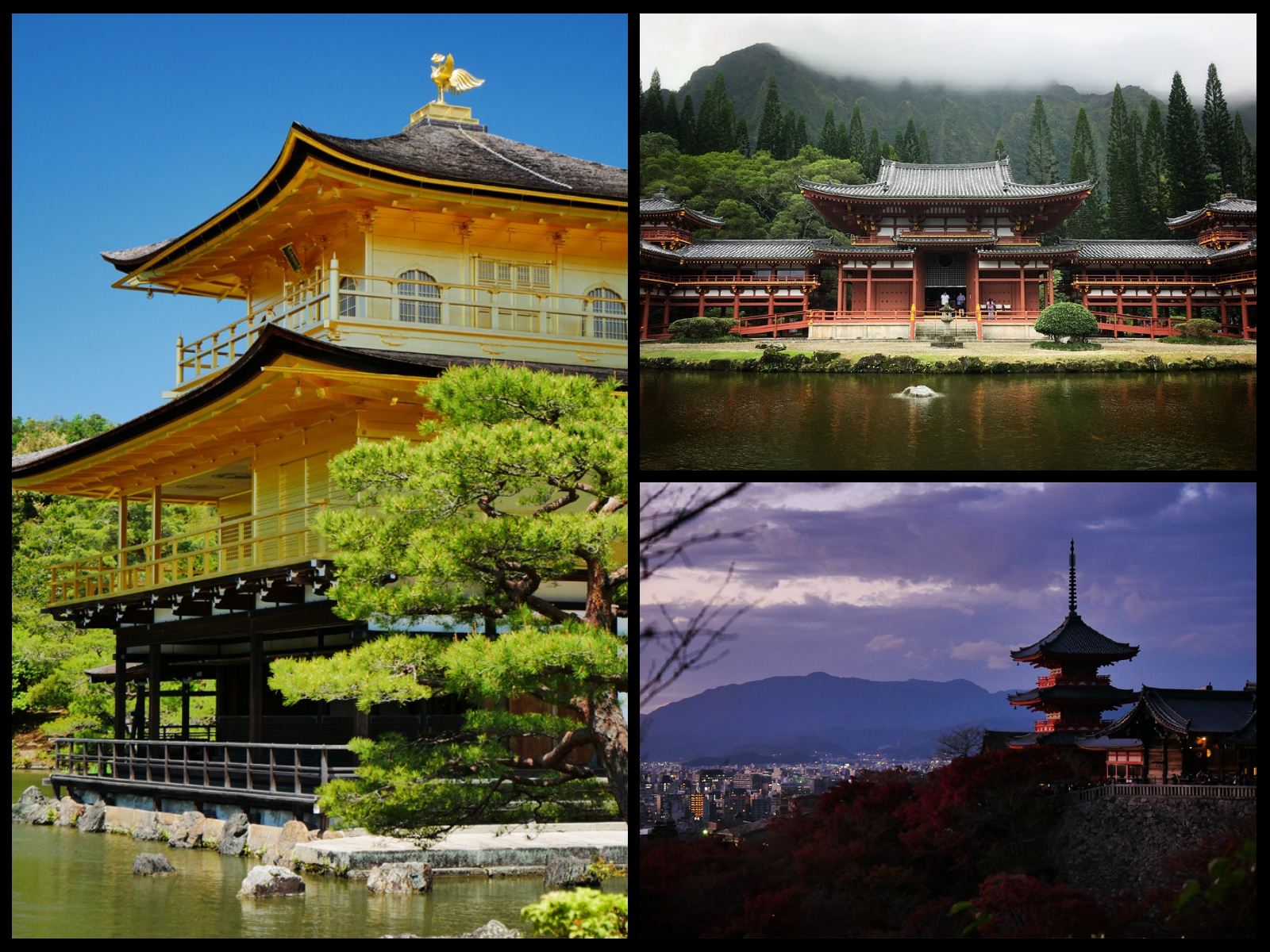
A visit to a Buddhist temple in Japan is more than sightseeing. Passing through a great wooden gate, the atmosphere shifts, inviting calm and awareness. From the first bow at the entrance to the final farewell, each action carries meaning and reflects respect for a sacred space.
1. The Gate: Where the World Stays Outside
At the sanmon, the temple’s main gate, a brief pause is customary. The gate marks the boundary between everyday life and sacred ground. Before entering, clothes are adjusted, hats are removed, palms are pressed together, and a gentle bow is offered. Inner gates within the grounds are also greeted with quiet bows.
Within the temple grounds, walking along the sides of the path is considered respectful. This practice preserves tradition and maintains a calm environment for reflection.
2. The Washing Basin: Purify More Than the Hands
Near the entrance, a stone basin with ladles, known as the chōzuya, is often found. This space is used for ritual purification, symbolizing the cleansing of body and mind before prayer.
The general sequence is as follows:
1. The ladle is held in the right hand to wash the left hand.
2. Hands are switched, and the right hand is washed.
3. Water is poured into the left palm to gently rinse the mouth, without touching the ladle to the lips.
4. The left hand is washed again.
5. The ladle is tilted vertically so water runs down the handle, cleansing it for the next visitor.
If the mouth rinse is omitted, a respectful gesture of the motion is still acceptable.
3. Main Hall: Where Silence Speaks
After purification, attention turns to the Main Hall (hondō), where the principal Buddhist image is enshrined.
Before prayer:
• A coin is placed gently into the offering box, avoiding loud clatter.
• If a bell is present, a light ring may announce presence, though silence is preferred when monks are chanting nearby.
Prayer is offered by standing quietly with palms pressed together. Unlike Shinto shrines, clapping is not performed at Buddhist temples. A calm bow before and after prayer completes the gesture.
Prayer beads (nenju) may be used to aid focus, though their use is optional.
4. Leaving: One Last Gesture
Upon departure, the main gate is crossed once more. Before leaving the grounds, a final pause is taken. Facing the Main Hall, palms are pressed together and a bow is offered in gratitude before returning to everyday life.
Why These Manners Matter
These practices are not rigid rules but meaningful symbols:
• bowing expresses respect,
• purification represents inner clarity,
• silence deepens awareness.
Gestures and rituals help convey sincerity, yet the essence of a temple visit lies in calm presence and respectful intention.
How to Visit and Pray at a Shinto Shrine
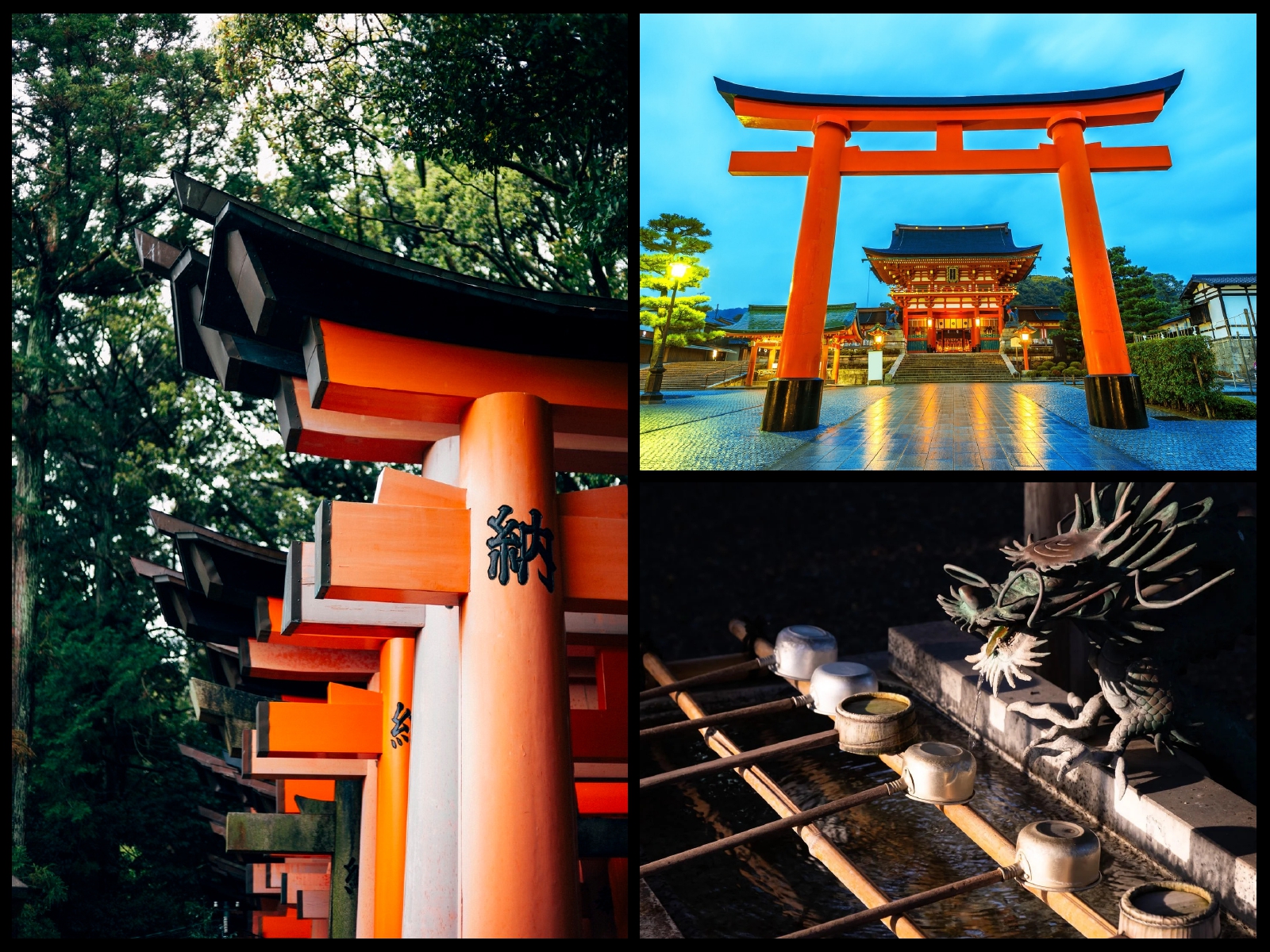
In Japan, it is said that countless gods inhabit the world. Shinto belief holds that kami, sacred spirits, reside in natural elements and everyday surroundings. A torii gate marks the boundary between the ordinary world and the realm of the kami. Beyond it, the sounds of wind through trees and gravel beneath one’s feet create an atmosphere where nature itself feels present. A shrine visit is an act of recognizing the sacred presence that already exists all around.
1. The Torii Gate: Stepping Into Sacred Ground
At the torii gate, a brief pause is customary. Before passing through, visitors stand slightly to the side, offer a bow, and step forward with awareness.
Along the approach path, the center is traditionally avoided. This central line is regarded as the path of the kami, and walking along the sides expresses respect.
2. The Washing Basin: Preparing Body and Spirit
Near the entrance stands a stone water basin with ladles, known as the chōzuya. This ritual purification prepares both body and spirit before approaching the shrine.
The general sequence is as follows:
1. The ladle is held in the right hand to wash the left hand.
2. Hands are switched, and the right hand is washed.
3. Water is poured into the left palm to gently rinse the mouth, without touching the ladle to the lips.
4. The left hand is washed once more.
5. Remaining water is allowed to run down the handle of the ladle, cleansing it for the next visitor.
Even a simple gesture of these motions is considered respectful.
3. The Main Shrine: Offering Thanks to the Kami
After purification, attention turns to the main sanctuary (haiden), where prayers are offered to the enshrined kami.
At the offering box:
• A coin is placed gently inside.
• If a bell rope is present, it is rung once to announce presence.
Prayer follows the Shinto style: two bows, two claps, and one final bow. Between the claps, gratitude is expressed or a quiet wish is made. Shinto prayers traditionally emphasize appreciation for daily life, health, and harmony rather than personal requests.
4. Leaving: A Respectful Farewell
When leaving the shrine grounds and passing back through the torii gate, a final pause is taken. Turning toward the shrine, a bow is offered in gratitude to the kami before returning fully to everyday life.
Why These Manners Matter
After purification, attention turns to the Main Hall (hondō), where the principal Buddhist image is enshrined.
Why These Manners Matter
Shrine manners are not strict rules but gentle expressions of respect:
• bowing acknowledges the presence of the kami,
• purification prepares the heart,
• clapping expresses sincerity.
A shrine visit reflects the coexistence of humans and nature, a core concept underlying Shinto belief, expressed through gratitude and awareness.
Cute Animal Omikuji at Kyoto Shrines and Temples
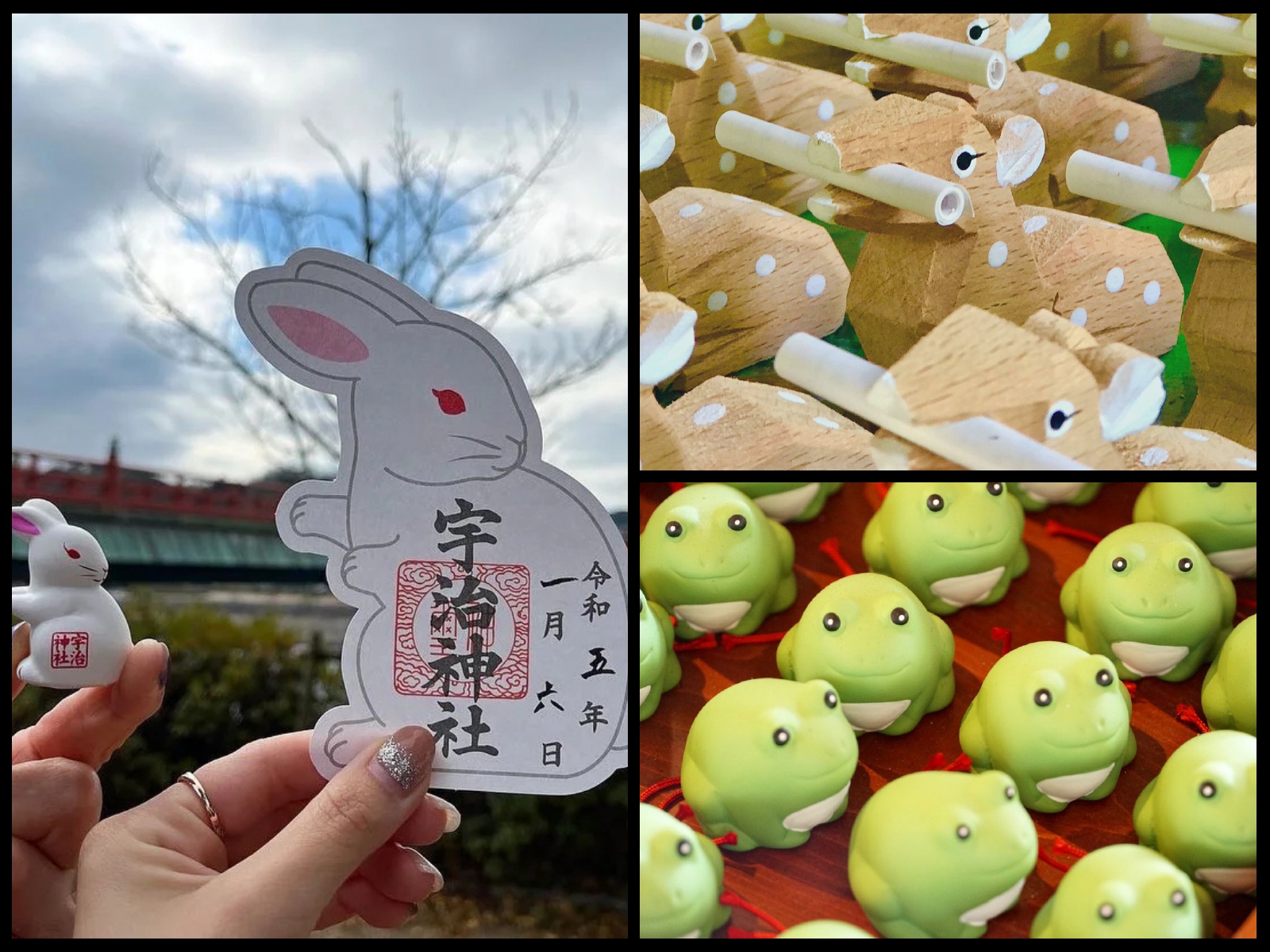
When visiting shrines and temples in Kyoto, many people enjoy drawing omikuji, traditional fortune slips. Each site offers its own messages and designs, making it tempting to try more than one.
Animal-themed omikuji are especially popular. Even historic shrines and temples in Kyoto, some with over 1,000 years of history, offer omikuji with charming designs. Here is a selection of Kyoto shrines and temples where unique animal omikuji can be found.
① Okazaki Shrine (Sakyo Ward)
Okazaki Shrine, located near Heian Jingu Shrine, is well known for its rabbit omikuji. The shrine is associated with blessings for pregnancy and safe childbirth. Rabbits, known for having many offspring, are believed to be messengers of the local deity.
Rabbit motifs fill the shrine grounds, from guardian rabbit statues to a rabbit statue rubbed for good fortune and a rabbit-shaped shrine crest. For those interested in rabbit symbolism, this shrine is well worth a visit.
It was especially busy in 2023, the Year of the Rabbit.
Visitor Information
• Hours: Daytime
• Fee: Free entry
• Tel: 075-771-1963
• Address: 51 Okazaki Higashi Tennocho, Sakyo-ku, Kyoto
• Access:
◦ Immediate access from “Okazaki Jinja-mae” (City Bus)
◦ 2-minute walk from “Higashi Tennocho” (City Bus)
② Uji Shrine (Uji City)
Uji Shrine in Uji City is also closely associated with rabbits. According to legend, when the enshrined deity lost his way, a rabbit appeared and guided him.
This rabbit is known as the “looking-back rabbit,” and is regarded as a divine messenger that leads people in the right direction. Reflecting this story, the rabbit omikuji here is designed in a looking-back pose, symbolizing guidance toward good fortune.
Uji Shrine stands near the Uji River in the center of the city’s sightseeing area. With its historic streets and calm atmosphere, the surrounding area is ideal for a leisurely walk and is one of the most popular destinations near Kyoto.
Visitor Information
• Hours: Daytime (anytime)
• Fee: Free entry
• Tel: 0774-21-3041
• Address: 1 Uji-Yamada, Uji City, Kyoto Prefecture
• Access:
◦ 5-minute walk from Keihan “Uji” Station
◦ 10-minute walk from JR “Uji” Station
③ Shorinji Temple (Higashiyama Ward)
At Shorinji Temple, a sub-temple of Tofukuji, the animal motif used for omikuji is a frog.
The frog omikuji symbolizes safe returns and good fortune. In Japanese, the word “frog” sounds like “to return,” and frogs are also associated with renewal and positive change, fitting the temple’s calm atmosphere and seasonal flower displays.
Shorinji Temple is also known for its distinctive transparent goshuin(special stamps you can get at Japanese temples and shrines) featuring flower basin designs. At times, the display may include small figures of popular characters. Although the grounds are compact, the atmosphere is unique and well maintained.
Visitor Information
• Hours: 10:00–16:00
• Fee:
◦ Adults: 800 yen (includes an explanation of temple treasures)
◦ Elementary, junior high, and high school students: 500 yen (groups of eight or more only)
• Tel: 075-561-4311
• Address: 15-795 Honmachi, Higashiyama-ku, Kyoto
• Access:
◦ 8-minute walk from JR or Keihan “Tofukuji” Station
◦ 8-minute walk from City Bus “Tofukuji” stop
④ Oharano Shrine (Nishikyo Ward)
At Oharano Shrine, the animal-themed omikuji takes the form of a deer. Known as Shinka Mikuji, this wooden deer holds a scroll in its mouth, which reveals the fortune when opened.
Oharano Shrine was founded with a divided spirit from Kasuga Taisha in Nara and is sometimes called “Kyoto Kasuga.” As at Kasuga Taisha, deer are respected as messengers of the gods, and even the guardian statues at this shrine are deer.
While access by public transportation can require some planning, the surrounding area is home to quiet temples such as Yoshimine Temple, Jurin Temple, and Sankoji Temple. For those seeking a calm Kyoto experience away from crowds, this area is an appealing choice.
Visitor Information
• Hours: Daytime (anytime)
• Shrine Office: 9:00–17:00
• Fee: Free entry
• Tel: 075-331-0014
• Address: 1152 Oharano Minami-Kasugacho, Nishikyo-ku, Kyoto
• Access:
◦ From JR “Mukomachi” or Hankyu “Higashi-Muko,” transfer to a Hankyu bus
◦ 8-minute walk from Hankyu Bus “Minami Kasugacho” stop
Kyoto offers a wide variety of animal-themed omikuji. These small figures holding fortune slips are both charming and collectible, and many visitors enjoy finding more than one. Beyond the places introduced here, there are many other shrines and temples featuring omikuji shaped like dogs, monkeys, snakes, dragons, and more. While exploring Kyoto, searching for these unique omikuji can feel like a treasure hunt and add another layer of enjoyment to a visit.
Wafuku: Traditional Japanese Clothing
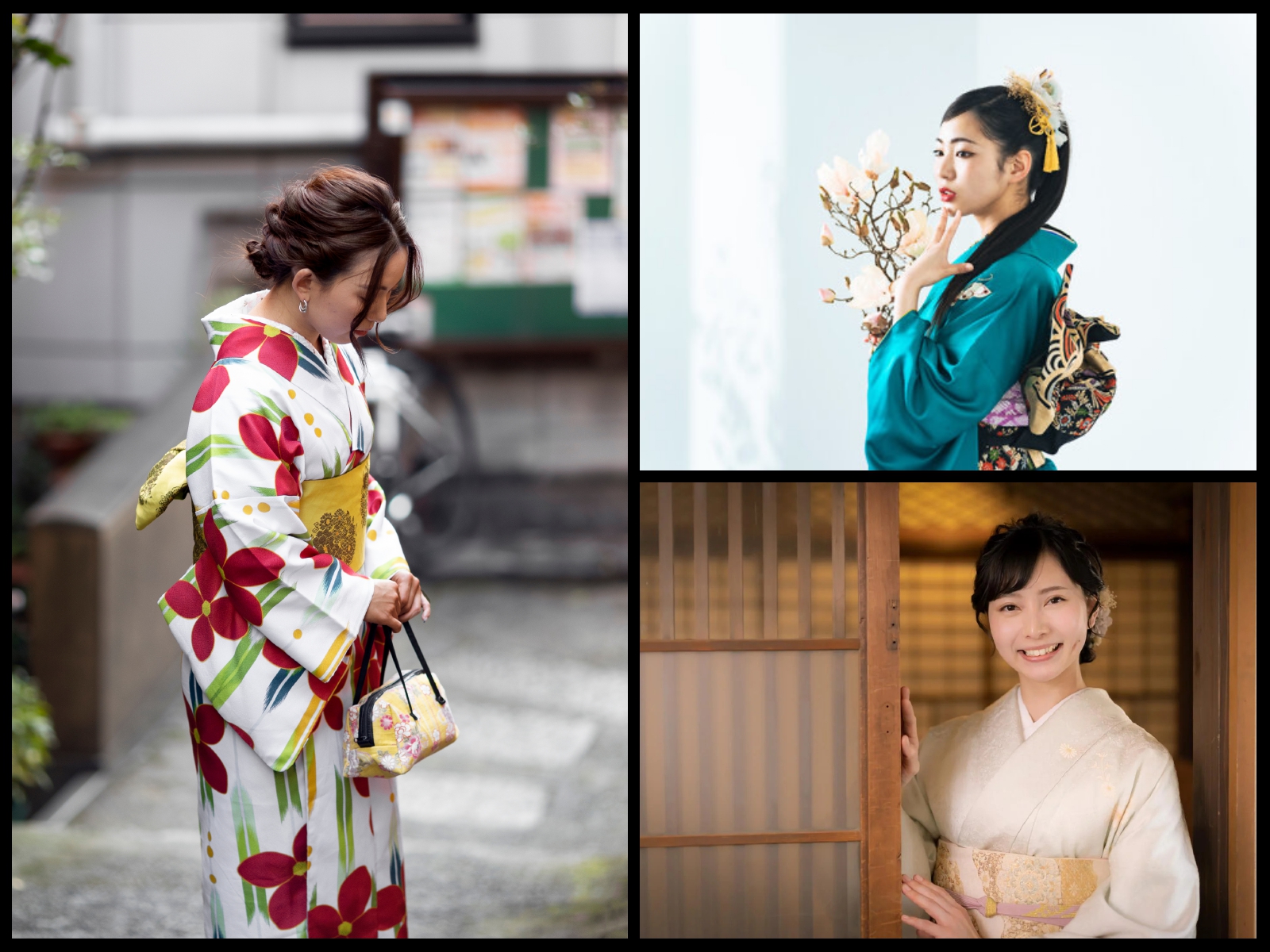
Wafuku refers to traditional clothing native to Japan and is still worn today on ceremonial occasions such as coming-of-age ceremonies, weddings, funerals, and memorial services. In modern sightseeing, wearing rented kimono has also become a popular cultural experience that adds enjoyment to a trip.
Wafuku, also known as kimono or gofuku, differs greatly from Western clothing. While Western garments are tailored to fit the body through curved, three-dimensional cutting, wafuku is constructed from straight pieces of fabric and worn by securing the cloth with an obi (sash). This structure allows the garment to adapt to different body shapes and emphasizes form through layering rather than tailoring.
The type and purpose of wafuku vary depending not only on the shape of the garment, but also on the fabric, colors, and placement of patterns.
Women’s Formal Wear
Kurotomesode
Kurotomesode is a formal kimono made of black-dyed chirimen (crepe silk) and is worn by married women. It is most commonly seen at weddings, worn by the mothers and close relatives of the bride and groom, as well as by the nakōdo (matchmakers).
Irotomesode
Irotomesode is a formal kimono dyed in a solid color other than black. Unlike kurotomesode, it can be worn by both married and unmarried women. It is considered dignified and elegant and is worn on formal occasions such as weddings and official ceremonies.
Homongi
Homongi is a type of semi-formal women’s kimono made from a wide range of fabrics. Its defining feature is a continuous pictorial design that flows across the seams and extends over the shoulders and chest. It is often worn to weddings, parties, and formal gatherings.
Furisode
Furisode is a formal kimono worn primarily by unmarried women. Its most distinctive feature is its long sleeves, which create a graceful and eye-catching appearance. It is commonly worn at coming-of-age ceremonies, graduation ceremonies, and sometimes as bridal attire.
Furisode are classified by sleeve length: kofurisode (short), chūfurisode (medium), and ōfurisode (long). Longer sleeves are traditionally associated with higher formality.
Casual and Everyday Wear
Tsumugi
Tsumugi is a type of kimono known for its durability and was traditionally worn as everyday clothing. It is made from sturdy silk yarn spun from leftover or imperfect cocoons that could not be used for fine silk production. Because of its strength, tsumugi was often worn for many years and sometimes passed down through generations.
Its texture appears matte rather than glossy, and it was once described as a “chic way to wear silk modestly.”
Komon
Komon is a casual kimono characterized by small, repeating patterns spread evenly across the fabric, with no directional orientation. Although it is not suitable for formal occasions, it is easy to wear and popular today, especially at kimono rental shops.
Yukata
Yukata
Yukata is a lightweight summer garment widely recognized as a seasonal fashion item. Modern yukata, especially those for women, often feature bright colors and bold patterns. Because they are worn in summer, the fabric is typically light and breathable. Yukata are commonly worn at festivals, fireworks events, and at traditional inns.
Jinbei
Jinbei is a traditional garment that was originally worn as loungewear at home, similar to yukata. The name is said to come from its resemblance to jinbaori, sleeveless coats worn by warlords during the Sengoku period.
Today, jinbei is commonly worn by men at summer festivals and casual outings. As its popularity has grown, designs and patterns have become more varied, and jinbei has gradually established itself as casual outdoor attire.